
Growth Starts with Stopping

I still remember what the day our quarterly results were released felt like over the past few years. Almost without fail, the first question was the same: Why are you losing customers? And how does that fit with your strategy?
This quarter, the conversation was different.
After six years of declining broadband customer numbers, we’re growing broadband customers again at VodafoneZiggo. We welcomed a net total of 7,200 new broadband customers (and in the consumer market, as many as 12,000 new customers) and added 31,700 postpaid mobile customers—our best mobile performance in three years. For the first time in seven years, we’re on track to grow over the full year 2026.
Of course, I’m proud of these results. But perhaps even more importantly, they confirm that the choices we’ve made recently are starting to pay off.
The numbers aren’t the beginning of a turnaround. They’re evidence that it has already begun. A turnaround begins much earlier: the moment an organization regains clarity on where it truly adds value for its customers.
Customers don’t buy infrastructure
The telecom sector loves to talk about technology—about fiber versus cable, about speeds, networks, and infrastructure.
These are important topics. After all, our network forms the foundation of everything we do, and we continue to invest in it.
But ultimately, we realized something very simple once again.
Customers don’t buy fiber or cable. They buy the confidence that it simply works.
They want a reliable connection. Good Wi-Fi at home. A video call without any glitches. Or a soccer game that doesn’t freeze right during the decisive minute.
That insight changed the way we look at things. Less focus on internal discussions, more focus on what makes our customers’ lives a little easier every day.
Less complexity, more focus
Over the years, we had built up many thousands of product-price combinations. Each individual choice had once made sense. Together, they made our organization more complicated and made it harder for customers to make a simple choice.
That’s why we’ve consciously simplified things. Not because simplicity is a goal in itself, but because focus creates space: space to develop faster, collaborate better, and, above all, invest in what truly makes a difference for customers.
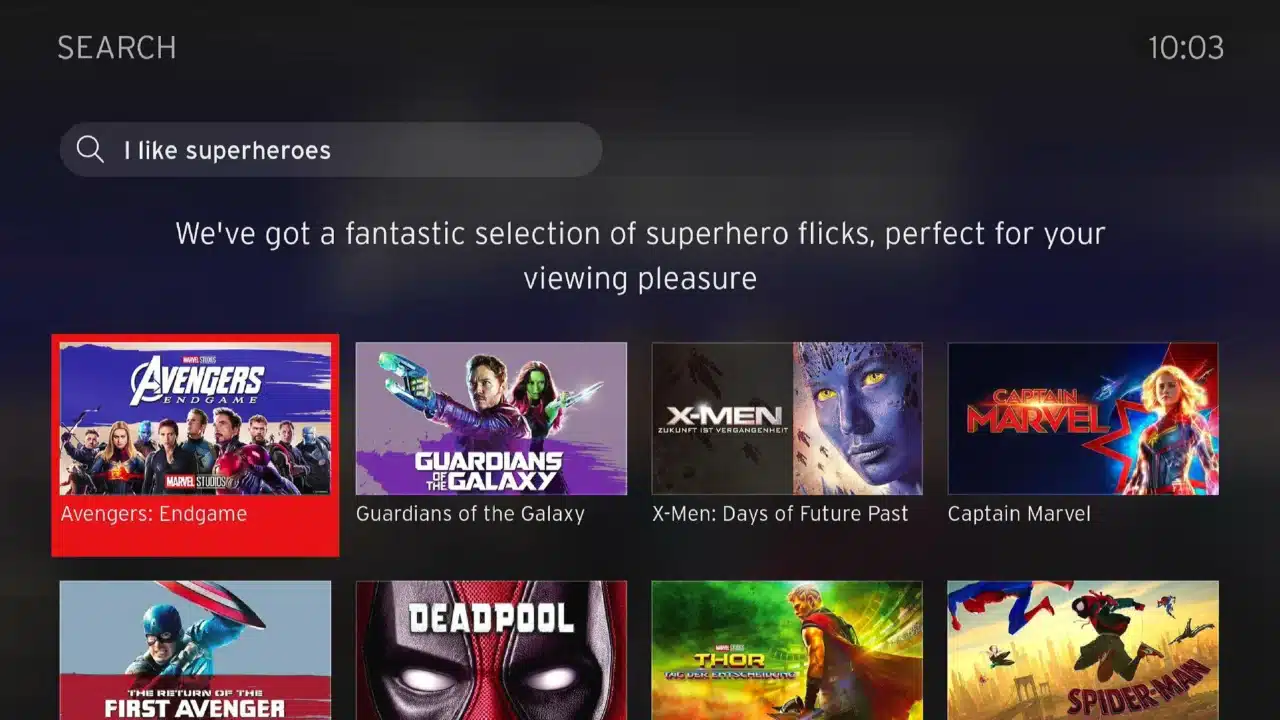
A good example of this is our decision to include ESPN in the base package of our digital TV offering. A traditional approach would have been to focus primarily on what the channel costs and how many people watch it. This time, we started with a different question: what adds the most value for our customers?
It’s precisely by reasoning from that customer perspective that you make different choices. And ultimately, those choices are reflected in the commercial results.
Financial discipline remains essential
As CFO, it’s my responsibility to remain critical of every investment.
But this period has reaffirmed for me that financial discipline doesn’t mean spending less on everything.
It means investing very consciously in the things you believe create lasting value. That sometimes takes courage, too.
After all, investing in reliability, customer experience, and innovation doesn’t always show up immediately in today’s profits. But if you’re convinced of the underlying strategy, you sometimes have to be willing to look beyond the short term.
For me, that’s the essence of financial leadership: not simply controlling costs, but allocating capital strategically where it creates the greatest long-term value.
Ultimately, it’s all about leadership
But a turnaround isn’t ultimately just about strategy or investments.
It stands or falls on leadership.
Through this turnaround, I’ve come to believe that leadership isn’t about having all the answers. it’s about creating clarity when clarity doesn’t yet exist.
You can’t ask thousands of colleagues to work differently while the board clings to the same old habits.
Change doesn’t start with a program or a PowerPoint presentation, but with the behavior of leaders.
We, too, have changed the way we work together. Faster decision-making. Clearer accountability. Less inward focus and always starting with the customer.
Not because it’s easier.
But because it works better.
Energy is the best indicator
Ultimately, the best effect of a turnaround isn’t reflected in a spreadsheet.
You see it in people.
As soon as colleagues see that their efforts are paying off, the energy shifts. Teams gain more confidence. People take the initiative and challenge each other to become even better.
That momentum is now starting to build more and more clearly.
This is just the beginning
This quarter’s growth therefore doesn’t feel like an endpoint, but rather as confirmation that focus, simplification, and targeted investments work.
The most important lesson I’ve learned once again is perhaps surprisingly simple.
Growth often starts with stopping.
Stopping internal discussions that add little value for customers.
Stopping unnecessary complexity.
Stopping trying to be everything to everyone.
Because, ultimately, focus isn’t about doing more. It’s about having the courage to consciously do less, so you can do what really matters better.
Only then do you create the space to invest in what truly matters.
For our customers.
For our colleagues.
And ultimately, for sustainable growth.